The starting point
A website redesign often begins with the pages visitors will see. There is another experience to consider: the one your team uses to keep those pages useful. Before choosing templates or editing controls, walk through how a real piece of content is created, checked, published and eventually retired.
Start with a real publishing task
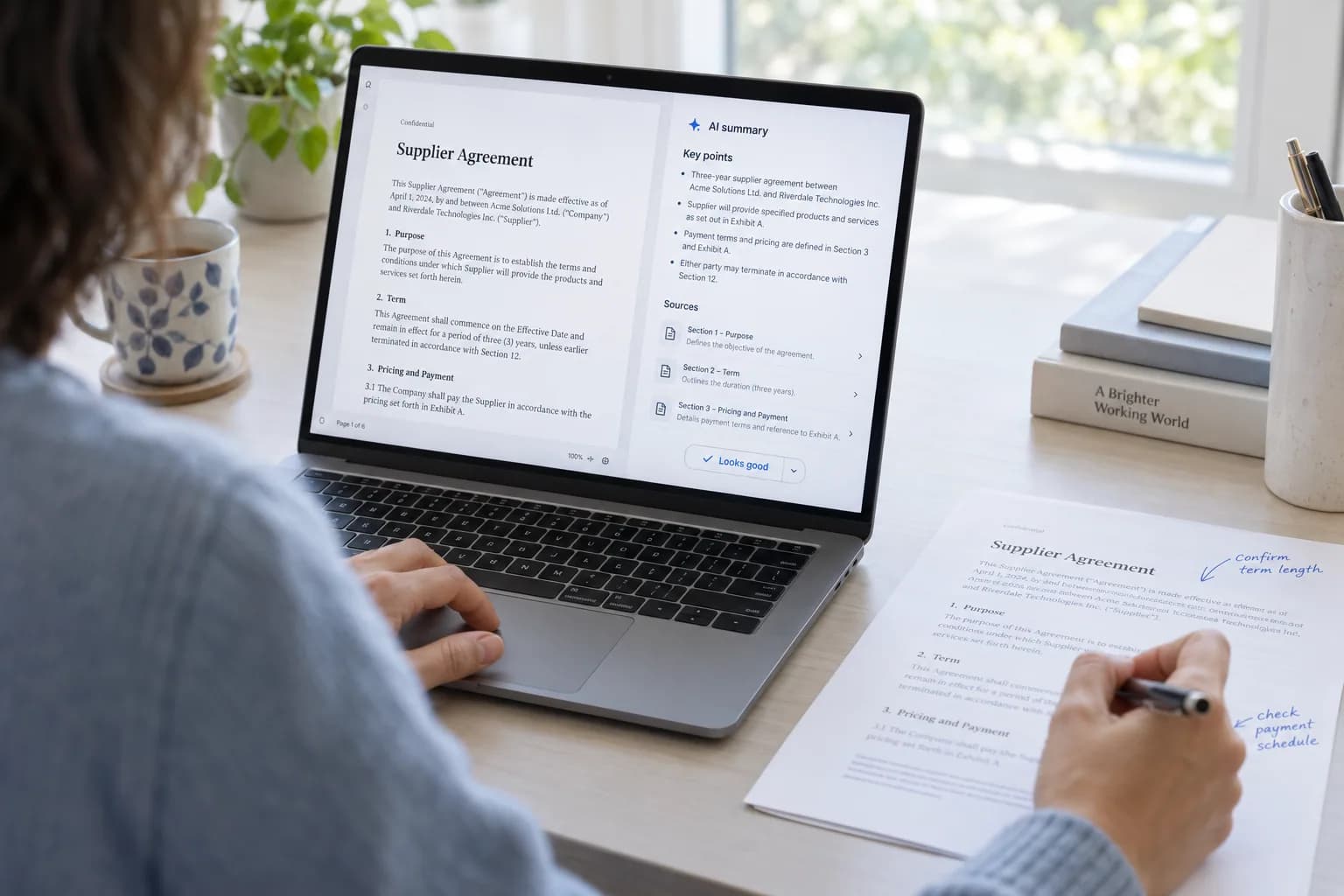
Ask an editor to show you a recent update from request to publication. It could be a new product, a service page or a campaign. Note where the text and images come from, who checks them and which parts of the process require help from another team.
Include the small recurring changes: replacing an image, correcting a link, updating a product detail or removing an expired announcement. These tasks help reveal whether the proposed editing experience supports everyday work rather than only the initial website launch.
Structure content around its purpose
Identify the kinds of information the site needs to maintain. A product, an article and an office location may each need different fields and review rules. Decide which fields are required, where the content appears and which information should be reused rather than entered again on several pages.
Balance flexibility with consistency. Editors may need room to arrange a campaign while still relying on shared patterns for headings, calls to action and product details. Agree what they can change themselves and what should remain part of the design system.
Make review and preview explicit
Define who can draft, approve and publish each type of content. Consider whether some changes can go live directly while others need a second review. Explain those responsibilities in the workflow rather than assuming everyone with access should have the same controls.
Agree what a preview needs to show before publication, including narrow screens, related content and incomplete fields. Check how an editor will recognise the difference between a draft and the live version, and how an incorrect update can be corrected or restored where the chosen platform supports it.
Plan for content after launch
Give important content an owner and a reason to be reviewed. Agree what happens to time-sensitive pages, discontinued products and information that no longer has a clear owner. Maintenance is easier to discuss while the content structure is being designed than after the site has become crowded with exceptions.
Include representative content entry and editor walkthroughs in the handover. Ask someone to complete a routine task without the implementation team narrating every step. Record the confusing parts, improve the guidance and clarify when a change should be escalated for technical support.
Put the thinking into practice
Ready for your next step?